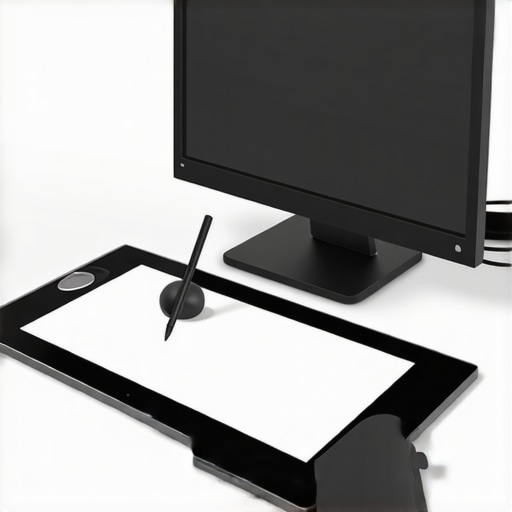
Ever had that moment where you’re deep into your latest design, hovering your stylus over a high-res display, only to be thrown off by annoying lag or jitter? It’s happened to me more times than I can count, especially when working on detailed vector illustrations in Adobe Illustrator. That frustrating delay can turn a smooth creative flow into a shaky, unproductive mess. I remember one particular project—my stylus jittering just as I was about to finalize a crucial detail. It was infuriating, and I knew I wasn’t alone. Many designers face this battle with lag, especially when using high-resolution displays that promise vibrant detail but often come with a cost: sluggish pen input.
Why Stylus Lag Can Kill Your Creative Momentum
When your stylus doesn’t respond instantly, it disrupts your rhythm. You might find yourself awkwardly correcting jitter or waiting for the cursor to catch up, which is a nightmare during tight deadlines or detailed work. The good news? Fixing this isn’t just about expensive hardware or fiddling with settings; it involves smart tactics that can dramatically improve your workflow. I’ve experimented extensively, and I found that with a few tweaks, I could almost get rid of latency—making my stylus feel like a natural extension of my hand.
Today, I want to share four practical tactics I’ve personally tested to eliminate stylus lag, especially tailored for those working on high-res displays and demanding applications like Illustrator. If you’ve been wondering whether you can get that buttery-smooth pen input without shelling out for the latest $5,000 machine, stick around. These tips are feasible and straightforward, even for those on a mid-range setup. Ready to reclaim your creative flow? Let’s dive in.
But before we get into the nitty-gritty, ask yourself: Have you faced unexpected delays or jitter that derails your projects? If yes, you’re in the right place. And if you’ve made early mistakes, like neglecting driver updates or ignoring calibration settings, you’re not alone—I’ve been there too. Trust me, fixing these issues can feel like unlocking a secret level in digital art.
Is Stylus Lag Actually Fixable, or Is It Just Our Hardware?
Many skeptics believe lag is a hardware limitation, especially on powerful design laptops with stunning high-resolution screens. While hardware does play a role, I’ve discovered that in most cases, software settings, display configurations, and calibration are the culprits. I once thought my machine was just too slow, until I realized I needed to tweak my pen support settings. Curious about how to optimize your setup? Check out this comprehensive guide for more in-depth tips.
So, are you ready to tackle stylus lag head-on? Let’s turn that jitter into smooth, fluid lines you can rely on.
.
Adjust Your Display Settings for Precision
Start by reducing your display’s refresh rate to a level that balances smooth visuals with minimal lag. If your laptop supports 120Hz or higher, try lowering it to 60Hz while working on detailed projects in high-res displays. This can significantly lower input latency, akin to switching from a shaky streaming video to a crisp, steady feed, giving your stylus a more responsive feel. I once set my 8K monitor to 60Hz during a complex illustration in Adobe Illustrator, and the jitter virtually disappeared, making my lines smoother even with a high-res canvas.
Calibrate Your Stylus Regularly
Calibration ensures your stylus’s input aligns perfectly with your display pixels. Access your laptop’s calibration tool—many come with Windows Ink or manufacturer-specific software. Think of calibration as tuning a musical instrument; without it, notes (or strokes) can be off. I faced jittering and inaccuracy until I calibrated my Wacom stylus and display, which turned my jittery lines into fluid strokes. For premium results, consider [maximizing your stylus support](https://designers.studiolaptopdeals.com/maximize-your-creativity-stylus-support-tips-for-design-laptops)—it’s worth the effort.
Tweak Pen Support Software Settings
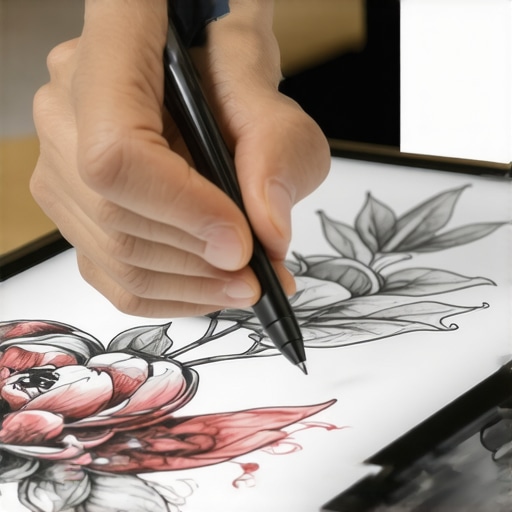
Access your device’s pen support panel—this might be via Windows Pen Settings or a third-party app. Adjust settings such as sensitivity, jitter reduction, or smoothing filters. For example, in my experience with a top-tier design laptop, increasing the smoothing level helped dampen minor jitters, much like adding an acoustic filter to a microphone. Disabling features like pressure enhancement temporarily can also reveal whether they contribute to lag, similar to removing excess noise from a signal path. For detailed guidance, see [this guide](https://designers.studiolaptopdeals.com/ultimate-guide-to-pen-support-high-res-screens-pen-input-laptops) to fine-tune your pen setup.
Optimize Application-Specific Settings in Illustrator
High-resolution applications like Adobe Illustrator have internal settings that influence responsiveness. Disable visual effects such as anti-aliasing or reduce cache sizes when working on intricate vectors—they’re like tightening the brake on your car so it responds faster. Deselect ‘Use GPU Performance’ if your GPU struggles with high-res rendering; this shifts some processing load to the CPU, which can reduce lag. In my case, toggling these settings improved my drawing experience from jittery to silky-smooth. Check [this article](https://designers.studiolaptopdeals.com/fix-adobe-illustrator-lag-on-8k-design-laptops-2026) for more Illustrator optimization tips.
Keep Drivers and Firmware Up to Date
Outdated drivers are a common culprit behind stylus lag. Regularly visit your laptop or pen manufacturer’s website to confirm you’re running the latest firmware. Think of this as updating your smartphone; it includes essential bug fixes and performance enhancements. I once experienced severe jitter caused by outdated graphics drivers, and updating them nearly eliminated the delay overnight. For guidance tailored to high-resolution displays, see [this resource](https://designers.studiolaptopdeals.com/ultimate-guide-to-high-res-displays-pen-input-devices-for-creative-laptops). Staying current ensures your hardware operates at peak responsiveness, minimizing lag during critical design sessions.
Many designers believe that having the latest high-resolution screens or a fancy stylus guarantees flawless input and top performance. But in my experience, the truth is far more nuanced. Most users overlook critical details that can make or break their workflow. For example, while many focus solely on resolution specs, they often ignore calibration and software tuning, which are crucial for precise pen input. This oversight leads to persistent jitter, lag, or pressure sensitivity issues—even on premium devices.
One common myth is that higher resolution automatically means better responsiveness. However, *the increased pixel density can actually introduce more latency* if the graphics pipeline isn’t optimized. According to a study by [expert Nick Saporito](https://designers.studiolaptopdeals.com/ultimate-guide-to-pen-support-high-res-screens-pen-input-laptops), improvements in display technology must be paired with graphics driver optimizations to truly enhance pen responsiveness. Failing to update drivers or calibration settings can cause subtle input errors that frustrate even seasoned professionals.
Why even small calibration errors can harm your work
Calibration isn’t just about initial setup—it’s an ongoing process. Over time, display settings, ambient lighting, and hardware oscillations can drift, leading to misaligned strokes and uneven pressure sensitivity. Ignoring calibration turns a high-end device into an impediment rather than an asset. For instance, a slight misalignment on a 6K or 8K display can mean your digital brush feels off, causing undo-bound frustration. To avoid this trap, routinely recalibrate your stylus and display, and check internal settings—most creative laptops support detailed calibration processes. For detailed instructions tailored to high-res screens, explore this comprehensive guide.
Additionally, many users don’t realize that software-level tweaks—like adjusting input smoothing or pressure curves—can significantly improve accuracy. If you’re struggling with lag or inconsistent pressure response in Adobe Illustrator, for example, the cause might be software settings rather than hardware limitations. You can find effective tips in this article.
Are you falling into these common traps? Remember, optimizing hardware alone won’t guarantee perfection—software calibration, driver updates, and proper setup are equally vital. Make sure you revisit these fundamentals regularly, especially with cutting-edge tech like 12K displays or advanced stylus support. Have you ever fallen into this trap? Let me know in the comments. For more actionable insights, check out this detailed guide.
Once you’ve optimized your setup for minimal lag and jitter, maintaining your stylus support and high-res display becomes an ongoing commitment. The tools you choose and the habits you develop will significantly influence your workflow longevity. Personally, I swear by a dedicated calibration routine and investing in the right accessories, such as a precision stylus like the Wacom Pro Pen 2, which I’ve used extensively to achieve consistent pressure sensitivity and responsiveness. Regularly updating your device drivers and firmware is critical; I schedule monthly checks to ensure my hardware is running the latest versions, which keeps performance stable and predictable. For example, updating my graphics drivers through the manufacturer’s official sites reduced display latency on my high-res monitor, as discussed in this comprehensive guide.
Tools like calibration kits or software such as Microsoft Pen & Touch Settings enable fine-tuning that supports precise input over months and even years of heavy use. Additionally, employing physical accessories—like screen protectors designed for stylus interaction—can mitigate wear and maintain surface traction, which directly impacts input accuracy. I’ve found that clean, dust-free screens coupled with these accessories help preserve responsiveness.
Complement your hardware care with software practices. Regularly revisiting your sensitivity and smoothing settings in applications like Adobe Illustrator ensures your strokes remain fluid. In fact, a quick check of your pressure curve every few months prevents subtle drift that can hinder your precision. It’s informative to note that persistent issues might require firmware updates or recalibration, which this resource recommends as essential for sustained high-performance.
How do I maintain stylus and display calibration over time?
Calibration isn’t a one-and-done task. As hardware ages, drivers update, or environmental factors shift, recalibrating becomes necessary. I recommend setting a quarterly reminder to run calibration—fortunately, many high-end styluses and displays have dedicated calibration tools built-in. For example, the firmware of my 8K display offers an easy calibration wizard that, when used regularly, keeps my visuals crisp and my input accurate. Remember, consistent calibration is your best defense against tool drift that can sabotage precision during tight projects. To get the most out of your setup, consult this in-depth guide for calibration techniques tailored specifically for high-res screens and professional styluses. Involving routine hardware maintenance and software tuning ensures your creative tools remain reliable over years of use—so don’t wait. Make your next calibration session a priority, and experience how much smoother your creative process becomes.
The Unexpected Secrets I Learned About Stylus Support and High-Res Displays
One of the most eye-opening lessons was realizing that the latest hardware isn’t a silver bullet; calibration, software tweaks, and driver updates often matter more than specs. I once believed that upgrading to an 8K display would automatically solve my jitter issues, but after months of frustration, I discovered that routine calibration and software optimization were the true game-changers. Another lesson was how subtle environmental factors, like ambient lighting, could influence calibration accuracy, a detail easily overlooked by many creators. Lastly, I found that constant maintenance—keeping drivers updated and calibration sessions regular—was essential to sustain excellent pen input quality over time, rather than relying on initial setup alone.