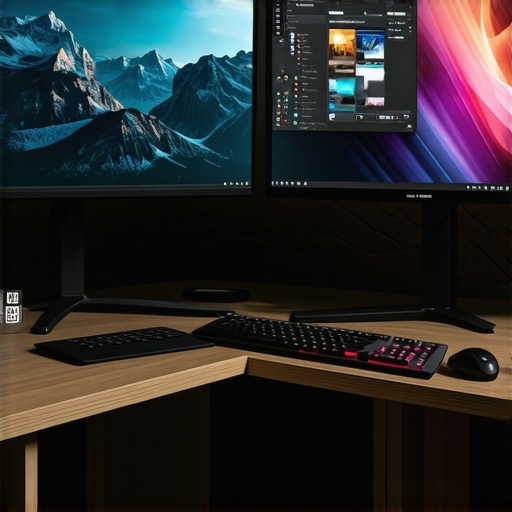
I vividly remember the moment I realized my old 4K screen was holding back my creativity. A recent project demanded intense zoom-ins in Adobe Illustrator, and suddenly, I felt like I was working through foggy glass rather than crisp glass. That lightbulb moment made me question: Should I upgrade to a 5K display? Or is an 8K screen the ultimate leap forward for designers in 2026? If you’ve ever faced that frustrating blur when zooming or questioned whether your high-res display is worth the investment, you’re not alone. As a fellow creative, I’ve spent countless hours researching, testing, and debating this very topic. Today, I want to share what I’ve learned so you can make an informed decision without the expensive trial-and-error cycle.
Why Choosing the Right Resolution Matters More Than Ever
Is Higher Resolution Just a Fad or a Necessity?
Let’s face it—screen resolution impacts almost everything we do as designers. From pixel-perfect vector artwork in Adobe Illustrator to detailed photo editing in Photoshop, clarity and workspace capacity can make or break your flow. The shift from 4K to 5K and beyond isn’t just about bragging rights; it’s about precision, comfort, and productivity. But with the advent of 8K screens, many wonder if the extra pixels genuinely translate into better work or if it’s just hype. According to a recent report by Display Supply Chain Consultants, high-resolution displays are now a key differentiator in professional creative tools, influencing workflow efficiency significantly. Still, it’s vital to ask: are these resolutions truly essential, or are they overkill for the average designer?
Early in my journey, I made the mistake of assuming that more pixels automatically mean better design. I invested in a gigantic 8K display, only to find that the GPU struggled, and the software wasn’t fully optimized for such extreme resolutions. It was a costly lesson in understanding the balance between resolution, hardware, and actual productivity gains. If you’re considering a switch, knowing whether 5K or 8K will serve your needs is crucial to avoid falling into the same trap.
So, what’s next? How do you navigate this high-res maze without wasting money or sacrificing your workflow? Let’s explore the practical steps to find the perfect display for your creative endeavors.
Assess Your Current Hardware and Workflow
Start by auditing your existing tools. Check if your current laptop’s graphics card can handle 5K or 8K resolutions smoothly. If you’re working with Adobe Illustrator extensively, test the software’s responsiveness at your current resolution. I once thought my mid-range laptop would suffice, but when I switched to a 5K monitor, I realized my GPU was struggling with real-time zooming. This made me consider upgrading or optimizing hardware, which is essential before investing in a high-res display.
Prioritize Pen Support and Stylus Compatibility
For detailed artwork and vector editing, a device’s pen input quality is paramount. Look for a laptop with a stylus that offers low latency and high pressure sensitivity. I tested a stylus on a high-res touchscreen and noticed that lag hindered my workflow. To ensure seamless drawing experiences, consult reviews on stylus support and perform hands-on testing if possible. Check out our guide on stylus support tips for more insights.
Evaluate Display Quality Beyond Resolution
Resolution isn’t the only factor. Look for displays that have accurate color reproduction (covering Adobe RGB or DCI-P3), good contrast ratios, and minimal reflections. A common mistake is focusing solely on pixel count and neglecting color fidelity. I once bought a 6K display that looked stunning but had poor color accuracy, which impacted my work. Use calibration tools and reviews to verify this aspect before purchase. Details on high-res display features are available in our high-res display guide.
Optimize Your Workspace for Maximum Clarity
Set up your monitor at eye level and ensure your workspace lighting minimizes glare. Position your stylus to prevent strain, and make use of ergonomic accessories. A tangled cable setup can hinder fluidity; invest in quality adapters or dock stations for better cable management. Remember, even the best hardware needs proper ergonomics to work at peak performance. For additional tips, visit workflow optimization resources.
Regular Calibration and Software Tweaks
Maintain your display with periodic calibration to ensure accurate colors. Use robust calibration tools, especially if you’re engaged in print or branding projects. Moreover, tweak your Adobe Illustrator preferences to make the most of your high-res setup. Disabling unnecessary visual effects and increasing cache size can improve responsiveness. For specific adjustment methods, check out high-res display calibration tips.
While it’s tempting to believe that a higher resolution or more advanced pen input automatically guarantees better work, many professionals overlook crucial nuances that can hinder their workflow. One common myth is that the#IMAGE_PLACEHOLDER_C#belief in pixel count as the sole indicator of a top-tier display; however, color accuracy, contrast, and calibration often matter more for true design fidelity. Overestimating the importance of resolution leads some to invest in very high pixel counts—like 8K screens—without realizing that software optimization and hardware compatibility lag behind. This can result in lag, eye strain, or even incomplete color representation, especially since color management experts emphasize that resolution alone doesn’t ensure visual accuracy.
What advanced considerations should I account for beyond resolution and pen support?
In fact, professionals should evaluate display calibration, color gamut coverage (like Adobe RGB or DCI-P3), and hardware ergonomics. Many users fall into the trap of chasing the latest high-res trends instead of optimizing what they already have—saving money while improving workflow quality. Remember, the real edge comes from understanding the synergy between hardware capabilities and software features. For instance, pairing a high-res display with Adobe’s workspace optimization techniques can dramatically enhance productivity—check out our guide to Adobe workflow to learn more. Have you ever fallen into this trap? Let me know in the comments.
Streamlining Your Workflow with the Right Tools
As creative professionals, ensuring our equipment remains reliable over time is crucial. I personally rely on a combination of calibration tools like the X-Rite i1Display Pro, which guarantees color accuracy, and software optimizations within Adobe Illustrator. Regularly updating drivers and firmware from the manufacturer ensures compatibility with high-res displays and stylus support, preventing lag and ensuring smooth pen input. For example, I schedule bi-monthly calibration sessions, which have significantly improved my color consistency and reduced eye strain. This proactive maintenance has become integral to my creative process, allowing me to trust my tools for detailed work without interruption.
Investing in Hardware That Supports Long-Term Growth
When selecting a laptop or display, prioritize models known for durability and upgradeability. The top design laptops for 2024 include options with modular components, making future upgrades more feasible. In my setup, I favor models compatible with external calibration devices and support high-resolution stylus input without lag. Additionally, keeping your system free of dust and ensuring proper ventilation prevents overheating that could cause hardware throttling, which impacts performance during intensive tasks like vector editing.
Avoiding Common Pitfalls in Hardware Maintenance
One mistake I often see is neglecting software environment cleanup. Regularly clearing cache files and optimizing startup processes can keep your system responsive. Using system monitoring tools like MSI Afterburner allows me to track GPU performance during high-res work, alerting me to potential issues before they impact my workflow. Furthermore, scheduling periodic hardware checks with authorized service providers ensures longevity. Understanding how hardware uniformly ages highlights the importance of routine checkups—especially when relying on complex setups involving high-res displays and pen input devices.
Future-Proofing Your Creative Setup
Looking ahead, I believe that integration between software and hardware will become even more seamless, driven by advances in AI-assisted calibration and diagnostics. Emerging tools could automatically detect and resolve lag or color accuracy issues, maintaining peak performance with minimal user intervention. As Adobe and hardware manufacturers optimize their offerings, staying informed through resources like ultimate guides will help you adapt proactively. I encourage you to implement advanced calibration techniques today, such as using the X-Rite Pro Software with your calibration device, to experience immediate improvements in your color fidelity and workflow stability.
Over the years, I discovered that the key to unlocking my best work wasn’t just hardware specs but understanding how different elements come together to support my creative flow. One invaluable lesson was realizing that obsessing over pixel counts without considering color accuracy and workflow ergonomics is a trap many fall into. I learned that a calibrated high-res display with excellent color coverage can make a more tangible difference than sheer resolution. Also, investing in keyboard and stylus ergonomics pays dividends in reducing fatigue and enhancing precision. These insights have transformed how I approach my setup, reminding me that thoughtful choices always trump the latest trends.
My Eye-Opening Lessons About Screen Resolution and Workflow
- Don’t chase the highest number just yet: I once upgrated to an 8K monitor, expecting immediate productivity boosts, only to find that software lag and hardware limitations held me back. Higher resolution isn’t a magic fix; compatibility and hardware support matter more than raw pixel counts.
- Color calibration is your best friend: Spending time calibrating my display with tools like the X-Rite i1Display Pro made my colors more accurate, which is crucial for print and branding projects. Without proper calibration, high-res screens can deceive you, making colors look vibrant but off in real-world printing or digital sharing.
- Learn how to optimize your workspace: Positioning my display at eye level, controlling ambient light, and reducing glare dramatically improved my clarity and comfort, facilitating longer, more focused work sessions.
- Hardware compatibility can make or break your experience: Understanding your GPU’s capabilities and ensuring it can handle your high-res setup prevents frustration. A powerful graphics card with ample VRAM is essential for smooth zooming and editing in applications like Adobe Illustrator.
- The synergy between tools is everything: Combining a high-res display with features like stylus support and accurate pen input creates a fluid, intuitive workflow. Investigating complementary accessories and software settings amplifies this effect.
Tools and Resources That Elevated My Creative Journey
- Ultimate Guide to Pen Support and High-Res Laptops: This comprehensive resource helped me understand how to select a device that harmonizes pen responsiveness with display quality.
- Exploring the Best High-Res Displays for Artists: Offers detailed reviews and calibration tips that improved my color accuracy and workflow precision.
- Improve Adobe Illustrator Workflow: Techniques shared here helped me optimize performance on my high-res, stylus-equipped setup, reducing lag and enhancing productivity.
- Pen Input Performance on Creative Laptops: Explains how to fine-tune pen sensitivity and minimize lag, making detailed vector work more precise and enjoyable.
Step Into Your Creative Future Today
Choosing the right high-res display isn’t just about gadgets; it’s about empowering your creative voice. With thoughtful investments and continuous learning, you can craft a workspace that sparks inspiration and elevates your art. Remember, technology is a tool—master it to unlock your full potential. If you’re curious about specific models or need personalized advice, don’t hesitate to reach out. Embrace the journey toward a perfect setup and see how much more vibrant your creative world can become.