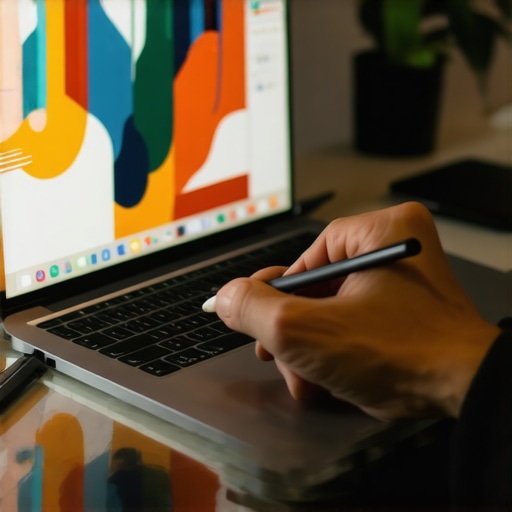
Have you ever stared at your laptop screen, frustration bubbling up, as your pen glides awkwardly or your display fails to capture every fine detail of your digital art? I’ve been there. I vividly remember my own lightbulb moment—trying to perfect a digital illustration only to be hampered by a lagging stylus or a blurry, low-res display that made my work look dull and unprofessional. It’s a sinking feeling, and honestly, it can make you question whether your current gear is holding you back more than you thought.
Why High-Res Displays and Pen Support Are Game Changers for Creatives
As someone who’s spent countless hours working on Adobe Illustrator, Photoshop, and other creative tools, I promise this isn’t just tech jargon. It’s about making your workflow smoother, your details sharper, and your creative confidence sky-high. When I upgraded to a high-resolution screen with dedicated pen support, the difference was night and day. The crispness of the display allowed me to see every stroke clearly, and the stylus responsiveness meant my ideas flowed without interruption. According to a recent study by the Nielsen Norman Group, visual clarity and input accuracy directly impact productivity and artistic quality, which is why choosing the right laptop isn’t just a luxury—it’s essential.
Is All the Hype About Pen Input and High-Res Displays Justified?
Early in my journey, I made a classic mistake—buying a laptop with a high-res display but poor stylus support. The result? Frustration, smudges, and a feeling that I’d wasted my money. If you’re skeptical about whether investing in these features is worth it, I get it. That’s why I’ll walk you through what truly matters, how to avoid common pitfalls, and what options deliver real value. Whether you’re a seasoned professional or just starting out, the goal is to find gear that amplifies your creativity, not hampers it. If you’ve faced similar struggles, you’re in the right place. Let’s dive into what makes a great creative laptop and how to choose the perfect one for your artistic needs.
Selecting a Laptop with the Right Screen Resolution
Start by prioritizing a high-resolution display, ideally 4K or at least 1920×1080 pixels, to ensure sharp, detailed visuals. When I purchased my first high-res laptop, I tested it by zooming into a complex illustration in Adobe Illustrator. The crispness revealed every line clearly, saving me hours of debugging blurry details. To explore the best options, check out this guide on high-res displays for artists.
Understanding the Importance of Pen Support
Choose a device that supports a stylus with high levels of pressure sensitivity and tilt recognition. I once tried working with a generic stylus on a tablet without proper support, resulting in jittery lines. Upgrading to a dedicated pen with my laptop’s support made my strokes fluid and natural, mimicking traditional drawing. For tips on optimizing your stylus experience, see this article on stylus support tips.
Matching Hardware with Creative Software
Ensure your laptop’s GPU and CPU can handle demanding applications like Adobe Illustrator or Photoshop. I learned this the hard way when my previous machine lagged during complex vector operations. After upgrading, my workflow became seamless, allowing me to focus on creativity instead of technical bottlenecks. For specific hardware recommendations, visit best design laptops with high-res and stylus support.
Configuring Your Workspace for Optimal Performance
Adjust display scaling and color calibration settings to match your workflow. I calibrated my screen to Adobe RGB to ensure color accuracy, which was crucial for professional work. Regularly updating your graphics drivers and software also maintains performance. For detailed setup instructions, see how to improve Adobe Illustrator workflow.
Testing Before You Commit
Visit a local store or read reviews to test the device’s pen responsiveness and display quality firsthand. I spent an afternoon testing different models, and the one with the smoothest pen input and brightest display became my choice. If you need to compare options, check top high-res pen support laptops for digital art for the latest models.
Many artists and designers fall into common traps when choosing their ideal laptop setup, often based on misconceptions that can hinder their workflow. Let’s dig deeper into some overlooked nuances and dispel the myths surrounding high-res displays, stylus support, and Adobe Illustrator performance.
Why Believing More Pixels Fix Everything Can Backfire
It’s a widespread belief that a higher resolution automatically makes your work better. While a 4K display provides incredible detail, it’s not a magic bullet. The real issue is often how your software handles that resolution. Many designers underestimate the importance of a calibrated, color-accurate display and the GPU power needed to keep everything smooth at high resolutions. For instance, a high-res screen without proper calibration can distort colors, leading to inaccurate artwork, especially in professional settings. Check out this guide to find the best high-res displays for your needs.
Stylus Support Isn’t Just About Pressure Sensitivity
Many assume that a stylus with high pressure sensitivity is the only feature that matters. In truth, advanced tilt recognition, low latency, and palm rejection are equally crucial for a natural drawing experience. I’ve seen many artists frustrated because their stylus jittered or lagged, which often comes down to poor hardware or software compatibility rather than the stylus itself. Investing in a device with proven stylus support, like those recommended in this list, ensures your strokes feel natural and precise.
Advanced Mistake: Overlooking Hardware Bottlenecks
One of the biggest traps is assuming that any laptop with a stylus and a high-res display will suffice. Many overlook the importance of a dedicated GPU and a fast CPU. Adobe Illustrator, while not as demanding as 3D rendering, still benefits significantly from powerful hardware. A sluggish system will cause lag during vector operations, breaking your creative flow. To avoid this, always check for minimum hardware requirements and aim for specs that exceed basic needs. For a comprehensive hardware checklist, visit this resource.
Have you ever fallen into this trap? Let me know in the comments.
Maintaining your high-res display, stylus support, and overall laptop performance is crucial to keep your creative workflow smooth and frustration-free. Over time, dust, software bloat, and hardware wear can degrade your experience, but with targeted tools and routines, you can extend your device’s lifespan and keep it running at peak performance.
How Do I Keep My Creative Laptop Running Smoothly Over Time?
First, invest in a reliable cleaning routine. Use compressed air to clear dust from vents and keyboard keys, which helps prevent overheating—something particularly important for high-performance laptops used in creative work. Regularly wiping your screen with a microfiber cloth prevents smudges and maintains clarity on your hi-res display. For deep cleaning, gentle screen cleaners designed for LCDs are best.
Second, optimize your software environment. Using tools like Adobe Creative Cloud Cleaner Tool can resolve corrupted cache files or outdated plugins that hamper your workflow. Keep your graphics drivers updated through manufacturer utilities or the official driver updates. This ensures your hardware supports the latest features and performance improvements, especially for pen input and high-resolution displays.
Third, implement regular backups. Using cloud storage or an external drive prevents data loss, which is invaluable when working on detailed projects in Adobe Illustrator or Photoshop. I personally rely on automated backup tools to save incremental versions, so I can experiment without fear of losing progress.
What Hardware and Software Do I Recommend for Long-Term Success?
For hardware, I recommend investing in laptops with robust pen support and high-resolution displays that are calibrated for color accuracy. Pair this with software like Adobe Illustrator and Photoshop, which are optimized for touch and stylus input. Make sure your device’s GPU can handle the latest updates, as graphic processing plays a key role in rendering detailed vectors smoothly.
Additionally, consider third-party calibration tools such as CalMAN or SpyderX to keep your display color-accurate over time, which is critical for professional work. Regular calibration prevents your colors from drifting, ensuring your work looks consistent across different devices and print media.
Keep Your Setup Scalable for Future Growth
As your skills grow, so might your hardware demands. Opt for a modular setup where you can upgrade RAM or external peripherals like drawing tablets with advanced stylus support. This approach helps you avoid costly replacements and keeps your investment future-proof.
Finally, stay informed about new developments in stylus technology and high-res displays. Trends like latest pen input devices and display calibration innovations are continually improving the creative experience. Regularly checking trusted sources and participating in artist communities can give you early insights into new tools and techniques.
Implement these maintenance habits and tools, and your creative laptop will remain a powerful, reliable partner for years to come. Don’t forget to try out advanced calibration techniques—your future self will thank you by saving you countless hours of frustration and ensuring that your work always looks its best.
Lessons I Didn’t Expect to Learn the Hard Way
One of the most surprising lessons I encountered was how critical proper calibration is for a high-res display. A screen with stunning pixels can become a nightmare if colors are off, leading to hours of adjustments and frustration. It taught me that resolution alone doesn’t guarantee professional-quality results—color accuracy is equally vital. Additionally, I underestimated how much a stylus’s tilt recognition and low latency impact the natural flow of my drawings. The moment I switched to a device with better stylus support, my workflow improved dramatically, proving that investing in hardware features that seem minor can make a huge difference. Lastly, I realized that hardware bottlenecks, like insufficient GPU power, can silently sabotage even the most promising setups, especially when working with complex vector files in Adobe Illustrator. These insights transformed my approach and saved me countless hours of trial and error.
Reading through this guide really resonated with my own experience as a digital artist. I’ve definitely fallen into the trap of picking a high-res display without considering stylus support or hardware performance, and it’s frustrating how much those overlooked details can hamper workflow. One thing I’ve found helpful is regularly calibrating my display using professional tools like SpyderX — it’s amazing how much accurate color representation boosts the quality of my prints and digital work alike. I also agree that investing in a stylus with tilt recognition and low latency features makes a huge difference, especially for detailed shading and line work. I’m curious, has anyone experimented with external calibration tools or upgraded their pen support recently? Would love to hear how those tweaks have impacted your creative process or workflow efficiency. These small but significant upgrades really transform the experience of working with high-res screens and stylus-sensitive devices.
This post hits close to home—I’ve been battling with a relatively inexpensive pen tablet that just doesn’t deliver the responsiveness I need for detailed illustrations. Upgrading to a more fluid stylus and a color-accurate, high-res display has truly improved my workflow. I especially agree with the importance of hardware that supports tilt and low latency, as these features make a noticeable difference in achieving natural strokes. However, I wonder, for those working with ultra-high resolutions like 4K, have you found that your software struggles to keep up? I’ve noticed some sluggishness at times, which kind of defeats the purpose of a sharp display. How do you handle the performance demands, especially if you’re on a mid-range system? It seems like a balance between powerful hardware and software optimization is key to really maximizing the benefits of these advanced screens and stylus features. Would love to hear if anyone has tips for maintaining smooth performance at high resolutions.
This article really hits the mark—upgrading my laptop’s display and stylus support made a noticeable difference in my digital artwork. I used to struggle with lag and blurry visuals, which was frustrating during detailed work. Since switching to a high-res display with good stylus support, my precision and confidence have improved greatly. I especially agree on calibration; I started using a color calibration tool, and it’s incredible how much more accurate my colors are now. Has anyone found that calibration helps during long sessions, or does it sometimes cause inconsistent results between different artists? Also, I’m curious if there are newer stylus models with enhanced tilt recognition that others recommend. I think staying updated on these tech trends really benefits creatives who rely on perfection in their work. Would love to hear about your experiences with hardware tweaks or software settings that have improved your workflow—always looking to refine my setup further.
This post really hits home for me—I’ve recently upgraded to a 4K display and invested in a stylus with tilt support. The difference in detail and responsiveness has been night and day, especially when working in Adobe Photoshop and Illustrator. However, I’ve also encountered some performance hiccups, especially with my mid-range laptop struggling at higher resolutions. I’ve found that optimizing my graphics drivers and enabling hardware acceleration can help, but I wonder—what are others doing to ensure smooth performance at such high resolutions? Do you recommend specific hardware configurations or external peripherals? Also, calibration has made a noticeable difference in color accuracy, which is crucial for my professional work. It’s interesting how minor tweaks can make such a big impact on workflow and result quality. Would love to hear more about the tweaks you’ve implemented, especially from those who’ve managed to balance high-res displays, stylus support, and performance seamlessly.
This post really resonates with my own experience as a digital artist. Upgrading to a high-res display and a stylus with support for tilt and pressure sensitivity truly transformed my workflow. I used to get frustrated with lag and mediocre color accuracy, which hampered my creativity during long sessions. Calibration tools like SpyderX were a game-changer for me; I now see colors how they’re meant to be seen and that has made a noticeable difference in my prints and digital proofs. I’ve also noticed that a dedicated GPU really helps to keep everything running smoothly at high resolutions, especially when working with complex vector graphics. My question is, how do others handle performance issues when working at 4K or higher? Do upgrading RAM or external peripherals make a significant impact? Would love to hear everyone’s tips for balancing hardware performance and creative demands.