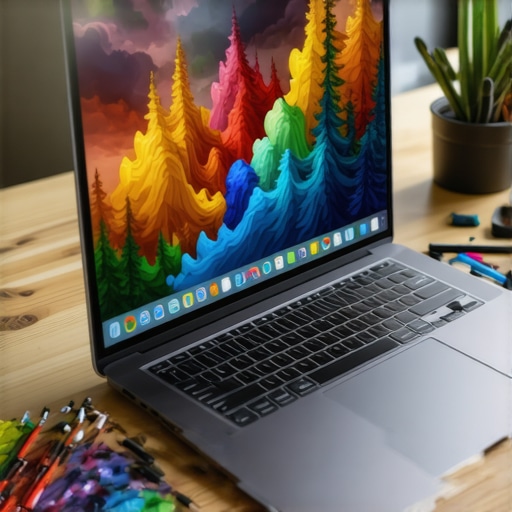
I remember the exact moment I realized my old laptop just wasn’t cutting it anymore. I was deep into a digital illustration, pencil hovering over my tablet, when suddenly, my screen flickered, and the stylus stopped responding. Frustration bubbled up—I’d invested so much in my creative tools, only to be held back by hardware that couldn’t keep up. That lightbulb moment made me dig into what’s really important for digital artists and Adobe users: finding a laptop with stellar stylus support and a crisp, high-resolution display. If you’ve ever faced a similar frustration, you’re not alone. Today, we’re going to cut through the hype and help you understand exactly what to look for to elevate your creative workflow.
Why Your Choice of Laptop Matters for Digital Art and Adobe Work
As a digital artist and someone who relies heavily on Adobe software like Illustrator and Photoshop, your tools define your art’s quality and your efficiency. A laptop with poor stylus support or a low-res display can turn a simple sketch into a frustrating experience, with lag, inaccuracies, and eye strain. According to a recent study by Adobe, artists who use high-res screens and precise stylus input see a significant boost in productivity and precision. That’s because a high-quality display allows you to see your work in true detail, while excellent stylus support ensures your lines are smooth and accurate, mimicking traditional drawing.
Early in my journey, I made the mistake of prioritizing specs over stylus compatibility, only to find myself fighting with laggy input and blurry visuals. That taught me a crucial lesson: investing in a laptop with dedicated stylus support and a high-resolution display is not just a luxury; it’s a necessity for serious digital work. If you want to avoid my rookie mistake, keep reading. We’ll explore the best options available and the features that truly matter for your creative process. For more tips on optimizing your Adobe workflow, check out this guide on enhancing Adobe Illustrator workflow.
Is the hype around high-res screens and stylus support justified?
When I first heard about ultra-high-res displays and stylus support, I was skeptical. I wondered if it was just marketing hype or if these features genuinely make a difference. My early mistake was thinking that a higher resolution was just about sharper images, but it’s so much more—it’s about clarity, color accuracy, and the ability to see your work in detail without zooming in constantly. Similarly, proper stylus support with low latency and pressure sensitivity turns your digital drawing experience into something remarkably close to traditional art. Trust me, investing in these features is worth it if you’re serious about your craft.
So, are these features worth the hype? Absolutely. With the right hardware, you’ll find your work becomes more precise, comfortable, and inspiring. Ready to find the perfect laptop for your creative needs? Let’s dive into the specifics that will make or break your experience.
Choose the Right Hardware for Your Artistic Needs
Start by identifying your primary creative activities. If you frequently sketch or paint, prioritize laptops with dedicated stylus support and high-res screens. For photo editing or detailed vector work, a vibrant display with excellent color accuracy becomes crucial. I once bought a laptop solely based on its specs, ignoring stylus support, which led to frustration when trying to draw detail-rich illustrations. Now, I focus on devices that seamlessly integrate stylus input and display clarity, drastically improving my workflow.
Inspect Stylus Support Features Carefully
Not all stylus support is created equal. Look for low latency (<20ms), pressure sensitivity (at least 4096 levels), and tilt support. These features mimic traditional drawing tools and help you achieve smooth, precise lines. When I tested a new device, I used the pen input performance guide to evaluate its responsiveness. The difference was clear: my sketches looked more natural and professional, saving me editing time later.
Test Stylus Responsiveness Before Buying
If possible, visit a store or request a demo to test the stylus responsiveness. Write, erase, and try pressure-sensitive brushes to see how well the hardware responds. I once tried a device in-store, and the lag was noticeable, which made me reconsider. This hands-on approach ensures you select a device that feels natural during long creative sessions.
Assess the High-Resolution Display Quality
Opt for screens with at least 1920×1080 resolution; however, 4K displays are increasingly affordable and offer sharper details. Color accuracy is equally important—look for a display with 100% sRGB or AdobeRGB coverage. I experimented with a 4K touchscreen and instantly noticed how much more detail I could see without zooming in, reducing eye strain and improving precision. Check the device’s calibration options or consider external calibration tools for optimal color fidelity.
Compare Different Display Technologies
IPS panels generally provide better color and viewing angles than TN panels. OLED screens are superior for contrast and black levels but may come at a premium. I tested both types side by side and found OLED gave my artwork richer blacks, especially useful for digital painting. Use online reviews and sample images to compare your options before making a decision.
Balance Power and Portability
High-res, stylus-friendly laptops tend to be more powerful and heavier. Decide if you need a portable device or one that stays on your desk. I opted for a mid-weight device with a 15-inch 4K display and a responsive stylus, which I carry to client meetings and work sessions. This flexibility boosted my productivity and allowed me to work seamlessly across different environments.
Utilize Resources to Maximize Your Setup
Once you’ve selected a device, follow expert tips to optimize your workflow. Check out the guide on enhancing Adobe Illustrator workflow and the tips for stylus support to get the most out of your hardware. Proper calibration, driver updates, and software settings will ensure your creative process remains smooth and responsive.
Many digital artists and Adobe users focus heavily on specifications like resolution and stylus support when selecting a laptop, but there are nuanced pitfalls that can undermine your workflow. Let’s dig deeper into what most people get wrong and how to avoid these traps to ensure your investment truly enhances your creative process.
Why Overemphasizing Specs Can Lead to Disappointment
It’s a common misconception that the most expensive or highest spec laptop automatically equals the best for digital art. While high resolution and stylus support are critical, overlooking other factors like the quality of the display calibration, color accuracy, and latency can be a rookie mistake. For example, a 4K display with poor color calibration can produce inaccurate colors, which is disastrous for professional work. Similarly, a stylus supporting high pressure sensitivity but suffering from high latency (over 20ms) can frustrate even experienced artists, leading to jagged lines and inconsistent strokes.
Expert reviews, such as those in pen input performance guides, emphasize that the true value lies in a balanced combination of hardware quality and software optimization. Don’t just chase numbers—test the overall responsiveness and display quality to avoid investing in a device that looks good on paper but feels off during your creative sessions.
The Hidden Danger of Ignoring Calibration and Maintenance
Many artists assume that their new laptop’s display is ready out of the box. However, even high-end screens benefit greatly from proper calibration. An improperly calibrated display can lead to color mismatches and inconsistent results, especially critical when working on projects requiring precise color matching for print or branding. Maintaining your hardware by calibrating regularly using specialized tools or professional services (see high-res display guides) ensures your work remains accurate over time.
Similarly, neglecting driver updates or firmware can cause stylus lag or compatibility issues. Advanced users often overlook these maintenance aspects, which can turn a smooth workflow into a series of frustrating troubleshooting sessions. Remember, your hardware’s potential is only as good as how well you maintain it.
How Can You Spot the True Quality of Stylus Support?
It’s tempting to rely solely on manufacturer claims about stylus support, but in practice, responsiveness and pressure sensitivity vary widely between devices. The key is to test stylus latency and pressure curves firsthand, ideally in a store or through detailed reviews. Devices with low latency (under 20ms), high pressure sensitivity (4096 levels), and tilt support provide a more natural drawing experience, closely mimicking traditional tools. Without these, you risk a disjointed creative process that hampers productivity and artistic quality.
My recommendation is to use the pen input performance guide to evaluate potential devices thoroughly before purchasing. This step is often overlooked but can save you from costly regrets and the need for expensive returns or upgrades later.
Have you ever fallen into this trap? Let me know in the comments. For personalized advice or questions about your setup, don’t hesitate to reach out here.
Keeping Your Creative Engine Running Smoothly
Once you’ve invested in a high-quality laptop with stellar stylus support and a crisp display, the next step is ensuring it remains a reliable tool over time. Regular maintenance isn’t just about avoiding breakdowns; it’s about preserving your workflow and maximizing your investment. Personally, I swear by a few key practices that keep my device responsive and my creative process seamless.
First, consistent software updates are vital. Adobe frequently releases patches that improve compatibility and performance, especially for stylus and display drivers. I set my system to auto-update, but I also periodically check for firmware updates from my device manufacturer, which often include enhancements for pen input responsiveness. Keeping your drivers current prevents lag, input inaccuracies, and hardware conflicts that can slow you down.
Second, calibration is essential. Even the best high-res screens drift over time, affecting color accuracy and stylus precision. I run calibration tools every few months, using software like DisplayCAL, which is free but incredibly powerful. Proper calibration ensures your artwork remains true to your vision and prevents unnecessary rework caused by color mismatches or misaligned input.
Third, physical maintenance prolongs your device’s lifespan. Regularly cleaning your stylus tip and screen with gentle, non-abrasive cloths prevents debris buildup that can impair performance. I also recommend using screen protectors that are compatible with stylus input—these protect against scratches and reduce glare during long sessions.
How do I maintain my digital art setup for longevity?
Developing a routine of routine software updates, calibration, and cleaning extends your hardware’s life and keeps your creative tools performing at their best. Also, consider external accessories like calibrated colorimeters for your display, especially if you work on color-critical projects. These tools help you maintain consistent color fidelity, which becomes more challenging as displays age.
Looking ahead, I believe the trend toward integrated hardware-software ecosystems will continue, making maintenance even more intuitive. Devices will likely incorporate self-calibration and diagnostics, reducing the manual upkeep required today. Until then, a disciplined maintenance routine is your best bet to keep your tools working flawlessly, so don’t neglect these simple but effective habits.
Try setting a monthly reminder to run calibration and check for updates—that small investment of time pays off in stable, high-quality output. For more detailed tips on optimizing your hardware, check out this guide on enhancing Adobe Illustrator workflow.
The Hardest Lesson I Learned About Choosing a Creative Laptop
One of the toughest lessons I faced was realizing that raw specs don’t guarantee a smooth artistic experience. I once bought a high-end machine with impressive benchmarks but overlooked stylus latency and display calibration. The result? Frustration, jagged lines, and countless reworks. The key insight was understanding that responsiveness and color accuracy matter more than numbers on a spec sheet. This taught me to prioritize real-world performance over flashy features, and it transformed my workflow.
What I Wish I Knew About Balancing Power and Portability
Early on, I believed bigger screens and more powerful CPUs meant better art creation. But I underestimated the importance of portability—especially for working on the go. I found that a lightweight device with a high-res display and excellent stylus support allowed me to work comfortably anywhere, from coffee shops to client meetings. Finding that sweet spot between power and portability has been a game-changer for maintaining creative momentum without sacrificing convenience.
Why Regular Calibration Keeps Your Artwork Spot-On
I used to think my display was perfect out of the box, only to discover color mismatches when printing or sharing online. Regular calibration with tools like DisplayCAL ensures your colors stay true over time, preventing costly reworks. It’s a small step that preserves your artistic integrity and confidence in your work. Trust me, consistent calibration is one of those behind-the-scenes habits that makes all the difference in professional digital art.
Curated Resources That Elevated My Creative Journey
- Toppen Display Calibration Tools: These tools help maintain color fidelity, which is critical for professional work. I personally use DisplayCAL because it’s free yet incredibly precise.
- Ultimate Pen Input Guide: The comprehensive guide on pen input performance helped me evaluate stylus responsiveness before making a purchase. It’s an invaluable resource for avoiding lag and ensuring natural drawing feel.
- High-Res Display Reviews: Websites with side-by-side display comparisons, especially for OLED vs. IPS, guided me in choosing a screen with accurate colors and excellent contrast. Check out the detailed reviews at this resource.
Your Next Step in Creative Excellence Starts Now
Embracing the right hardware and maintenance routines isn’t just about tech—it’s about unlocking your full artistic potential. When you choose a device that supports your craft seamlessly, you’ll find your creativity flows more freely and your results become more professional. Remember, the best laptop is the one that feels like an extension of your hand and eye, not a barrier holding you back.
What’s the biggest challenge you’ve faced in selecting or maintaining your creative setup? Share your experience below—I’d love to hear your story and help you find solutions that elevate your art.
Reading this post really resonated with my own experience of upgrading my laptop for digital art. I used to struggle with laggy stylus input on older devices, which was so frustrating during long creative sessions. Investing in a device with high-pressure sensitivity and low latency completely transformed my workflow, especially for detailed illustrations in Photoshop. What I’ve found particularly helpful is regularly calibrating my display and updating drivers to keep everything running smoothly.
One challenge I faced was choosing between OLED and IPS screens. After reading countless reviews, I opted for an IPS panel because of its better color accuracy and viewing angles, which are crucial for me when working on color-sensitive projects. However, I wonder how many artists prioritize portability over power. For those frequently on the move, what size or weight trade-offs have you experienced, and how do you manage to balance performance with convenience? I’d love to hear your thoughts!
Reading this post brought back memories of my own journey into the world of digital art, especially the challenges I faced before realizing how critical a high-res, color-accurate display and responsive stylus support are. I initially made the mistake of focusing heavily on raw specs like CPU and RAM, thinking they were the main factors for creative work. But after trying various devices, I saw firsthand how a laggy stylus and dull displays can hinder even the best ideas. Now, I always prioritize a device’s pen responsiveness and calibration tools, which makes a marked difference in my daily workflow.
Regarding Samantha’s question about balancing power and portability, I’ve found that a 14-inch laptop with a dedicated GPU and high-resolution display strikes a good compromise. It’s light enough to carry around but still powerful enough for detailed vectors, painting, and photo editing. For artists constantly on the go, do you think the trade-off in processing power is justified by the convenience, or should portability give way to performance? I’d be interested to hear how others manage this balance in real-world scenarios.
This post really hits home for me, especially the part about stylus support and high-res displays. I remember when I upgraded my laptop last year, the difference in my art quality and workflow was staggering. I used to struggle with lag and inaccurate strokes, which made working in Photoshop and Illustrator frustrating, especially during detail work. Going for a device with low latency pressure-sensitive stylus support and a calibrated 4K display has made my process so much smoother and more enjoyable.
Reading this post really struck a chord with my own experience in digital art. When I first transitioned from a generic laptop to an artist-focused device, the difference in workflow and quality was night and day. A responsive stylus with low latency combined with a color-accurate high-res display made me realize how crucial hardware choices are for creative professionals. I remember struggling with color mismatches during printing, which was frustrating until I invested in proper calibration tools and a display with better color fidelity. The point about balancing portability and power really resonates—having a lightweight but powerful device has allowed me to work comfortably across different locations without sacrificing performance. For those who are still debating whether to prioritize power or portability, what factors have influenced your decision most? Have you found a device that offers the best of both worlds?
This article really resonates with me, especially the emphasis on stylus responsiveness and high-resolution displays. During my last upgrade, I focused heavily on specs like CPU and RAM, but I overlooked the importance of precise stylus support. The difference a low-latency stylus and a fully color-calibrated 4K display have made in my workflow is remarkable. Not only has it improved my accuracy in Photoshop, but it also made long creative sessions much more comfortable, reducing eye strain. I’ve learned that investing in the right hardware is crucial for professional digital art.
Regarding portability, I personally lean towards a 14-inch ultrabook. It offers a good balance—light enough for travel and powerful enough for complex projects. For those constantly on the move, how do you manage the trade-offs between power and portability? Do you prioritize a lighter device for convenience or a more powerful machine for heavy workloads? Would love to hear how others are balancing these needs.